



Click for a larger image
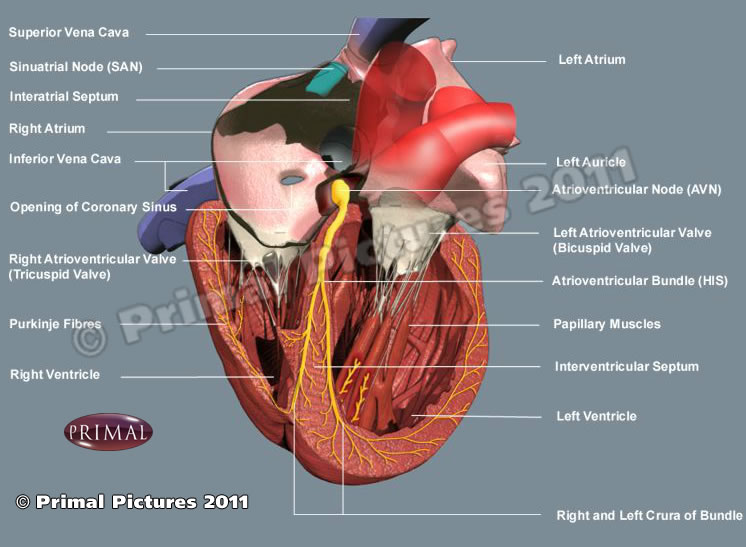
UPDATED: The sinoatrial node, is also known as the "sinuatrial node", "SA node" or by its eponym, the "node of Keith and Flack". It is the initial component of the conduction system of the heart.
It is a small nodule of cardiac muscle tissue, somewhat horseshoe-shaped that is found at the junction of the superior vena cava and the right atrium. Because of the inherent automaticity and rhythmical contractions of the SA node, it acts as the main pacemaker of the heart, being the base for normal heart beat, also known as "sinus rhythm"
It receives blood supply from the SA node artery, usually the first or second branch that arises off the right coronary artery. The SA node artery is a long vessel that passes between the right atrium and the ascending aorta on its way to the SA node.
The SA node receives innervation from both sympathetic and parasympathetic nerves. The parasympathetic innervation is by way of the vagus nerve, the Xth cranial nerve. The sympathetic innervation is by way of the cardiac nerves, a plexus that has its origin in the ventral rami of the first four thoracic spinal nerves (T1-T4).
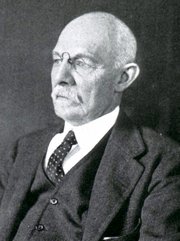
The SA node was discovered in 1906 by Martin W. Flack (1882-1931) and Sir Arthur Keith (1866-1955). They named it originally the sino-auricular node.
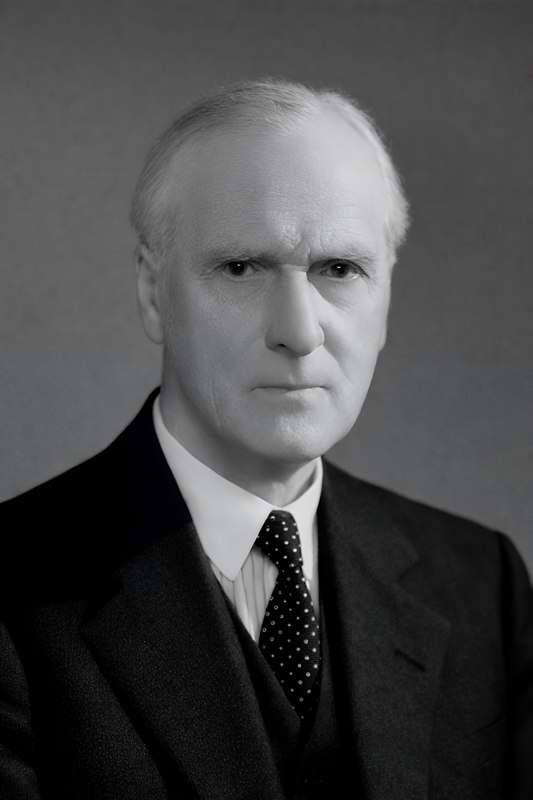
Sir Arthur Keith
(1866 - 1955)
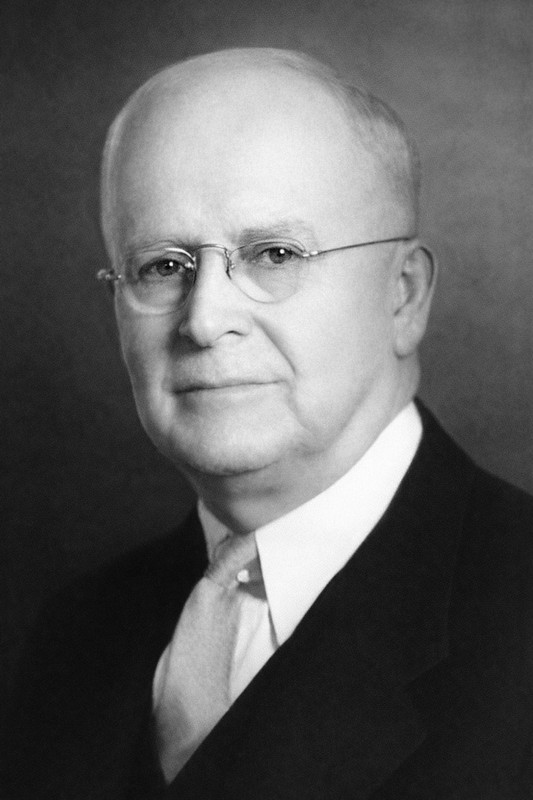
Martin W. Flack, CBE
(1882 - 1931)
Further studies by Cox (2020) have demonstrated that the SA node is not a single area of the right atrium, but rather expansive areas that beat at different beats per minute depending on the cardiac demand.
“Cardiac anatomy pertinent to the catheter and surgical treatment of atrial fibrillation”. Cox. JL et al J Cardiovasc Electrophysiol 2020 Aug;31(8):2118-2127. doi: 10.1111/jce.14440.
Click on the image for a larger version. Image modified from the original: "3D Human Anatomy: Regional Edition DVD-ROM." Courtesy of Primal Pictures